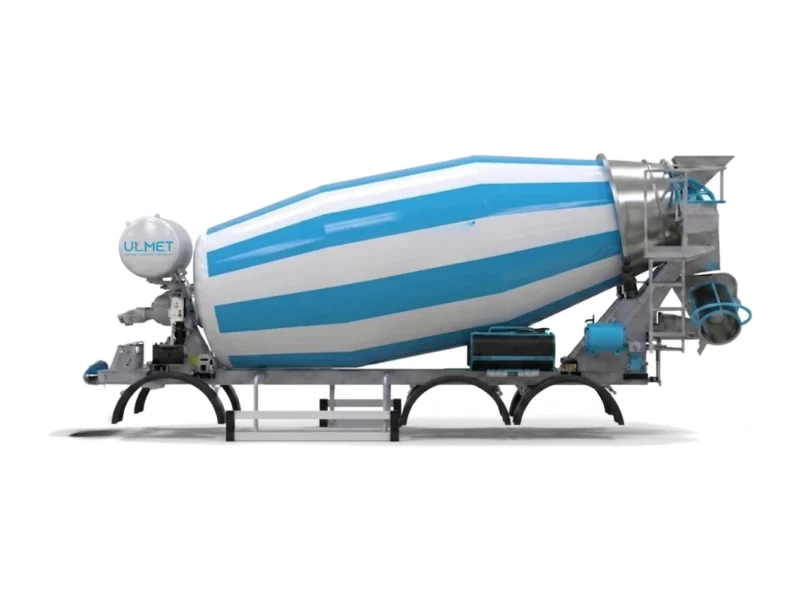

Picture the truck mixers queuing at the batching plant early in the morning. Everyone waits to load, drivers are in a hurry, and the vehicle often leaves without a check. Yet most stoppages on site start with small signs that a few minutes that morning would have revealed: a sweating hose, a faint noise from the rollers, a water tank emptying faster than it should.
In this guide we have put the checks that work best in the field into one list. It may look long, but once it becomes a habit it takes no more than five minutes.
10 points to check before the shift
- Gearbox oil and leaks: Any oil under the gearbox or at the front of the drum? Is the level dropping? See our gearbox oil guide.
- Hydraulic hoses: Look for cracks, bulges, chafing or sweating at fittings.
- Oil cooler: Make sure the fins are not clogged with cement dust and mud and the fan turns freely.
- Drum rollers and track: Metal shavings, uneven wear or grease leaks are early warnings.
- Inside the drum: Any hardened concrete from the last load? Build-up grows a little every day.
- Chute and extension chutes: Locking pins, storage brackets and wear plates must be sound.
- Water system: Is the tank full, does the pump build pressure, do the valves open and close fully?
- Controls and emergency stop: Does the drum control respond correctly, does the emergency stop work?
- Ladder, platform and guardrails: A loose bolt or broken step means a fall risk.
- Notes from the previous shift: If the last driver noticed a noise or leak, that is the first place to look today.
Why keep a written record?
A paper form or a simple list on a phone shows whether the same fault keeps coming back. The vehicle’s history is not lost when drivers change, and the workshop can see when a problem started. As the fleet grows, these records become the easiest way to see which parts wear fastest.
Common mistakes
- Putting off small leaks because they are “only small”
- Checking the engine but forgetting the mixer body
- Ignoring build-up inside the drum for weeks
- Patching worn chute pins with wire or bolts
Which parts are replaced most often?
The wear most often spotted in daily checks is on chutes, rollers, the water system and hydraulic connections. You will find these parts in our chute system, rollers and supports, water system and hydraulic system categories. For all mixer body parts, see our truck mixer spare parts.
Not sure what the part is called? A photo and your vehicle details are enough; send them via our quote form and we will find the right part together.
Safety: Carry out checks with the engine off, the drum stopped and the vehicle secured. Follow your vehicle manufacturer’s instructions for service intervals.