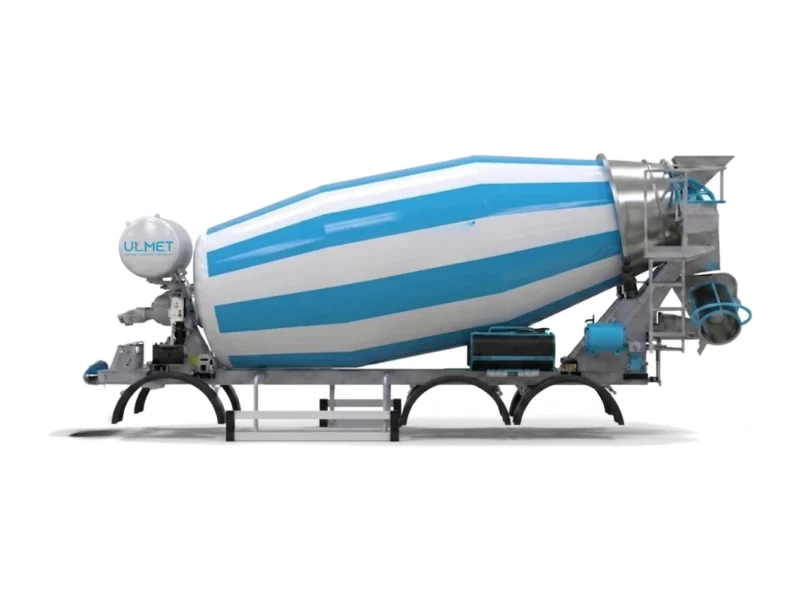
One morning you notice the drum turning slower than usual. Towards noon the control starts responding late, and by late afternoon the hydraulic oil is unusually hot. Problems in a truck mixer’s hydraulic system usually show themselves like this, little by little.
How does the system work?
The drum is usually driven by a hydraulic pump powered by the engine and a hydraulic motor that turns the drum. The hoses, filter and oil cooler in between matter as much for system health as the pump and motor.
Symptoms
- The drum turning slowly or struggling under load
- Hydraulic oil overheating
- Loud noise or whine from the pump or motor
- Delayed response to the control lever
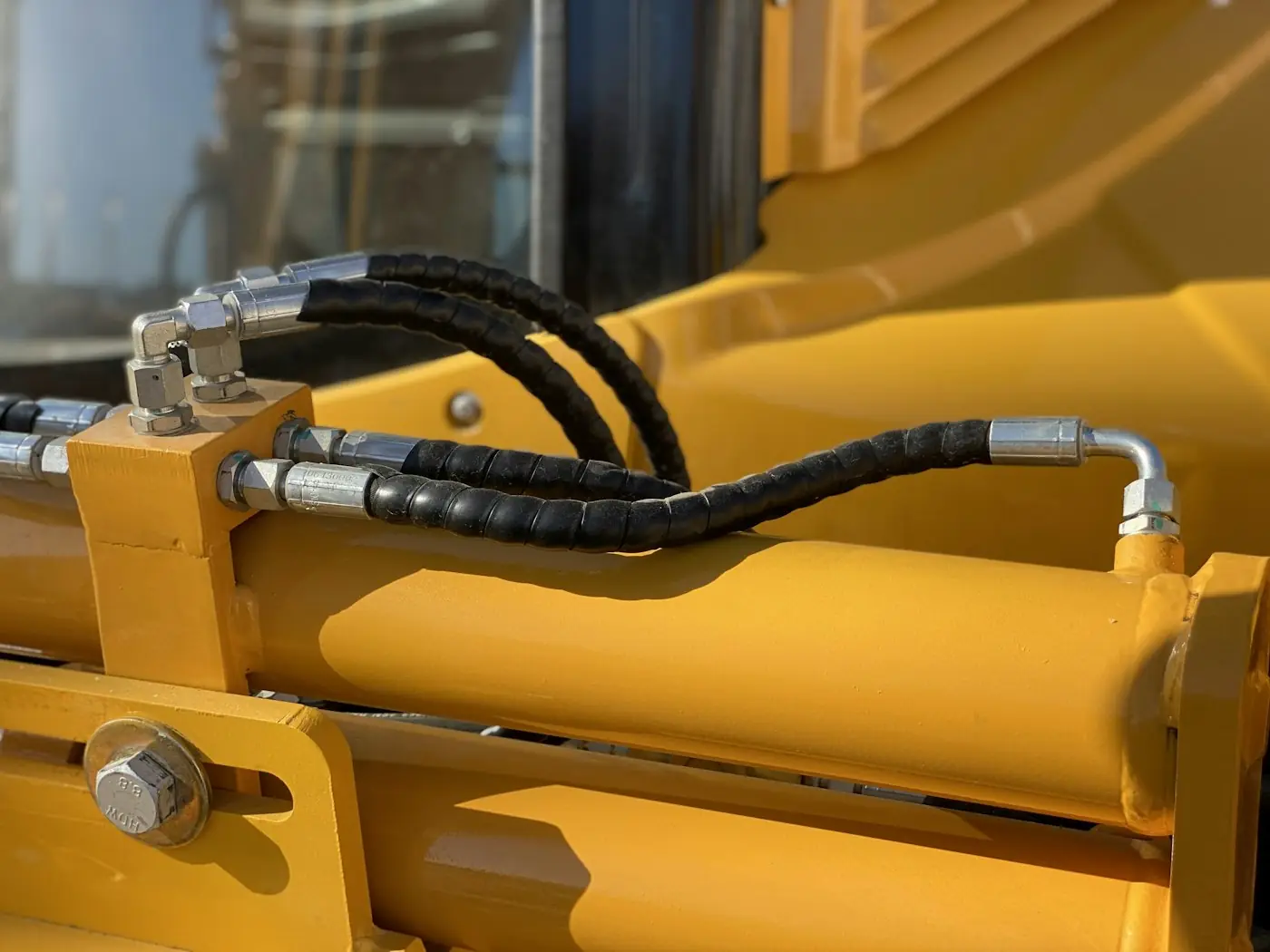
- Leaks at hoses and fittings
First checks: simple to complex
- Oil level: Low oil makes the pump draw air and overheat.
- Oil condition: Thickened, foamy or burnt-smelling oil is due for a change.
- Filter: A clogged filter restricts flow. Check the clogging indicator if fitted.
- Oil cooler: If the fins are clogged with concrete and mud or the fan does not run, the oil overheats.
- Hoses: A crushed or kinked hose blocks flow.
The biggest enemy: contamination
Dirty oil is the most common cause of hydraulic failures. Dust, water or metal particles wear the precise surfaces of the pump and motor. Using a clean container when topping up, not leaving the tank cap open and changing filters on time prevent costly pump replacements.
When simple checks are not enough
If level, filter and cooler checks don’t solve it, pressure and flow need to be measured. These measurements show whether the problem is in the pump, motor or valves. At this stage our after-sales team can guide you.
See our hydraulic system category for pumps, motors, hoses and fittings, oil cooling for the cooler and fan, and controls and electrical for control parts. To protect the hydraulics in winter, see our winter guide.
Safety: Pressurised hydraulic oil can penetrate the skin. Do not open fittings under pressure; never search for leaks with your hand.