However powerful a concrete pump is, the concrete reaches the pouring point through the pipeline. A single weak point in the line (a thinned pipe, a worn elbow or a clamp with a tired seal) can stop the whole pour and create a serious safety risk.
Parts of the pipeline
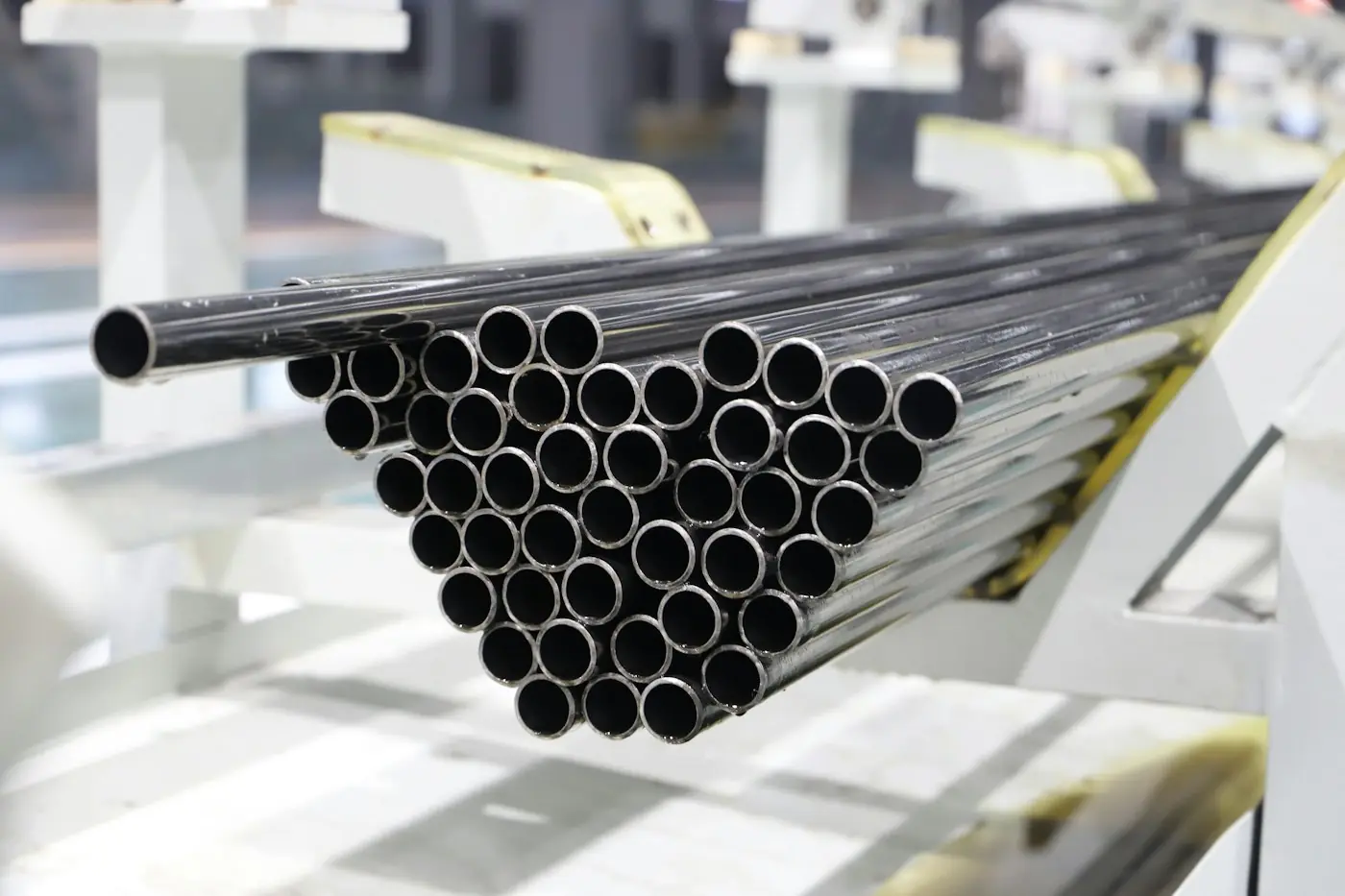
- Straight pipes: The main body of the line
- Elbows: Change direction and wear the most
- Reducers: Diameter transitions
- Clamps and seals: Connection and sealing
- Hoses: The flexible pouring section at the end of the line
What to look at
- Diameter: Must match the pump outlet and the diameter used along the line.
- Wall thickness and material: Decisive for wear resistance and pressure rating.
- Connection type: Flange and clamp system must match the existing line.
- Elbow angle and radius: Elbows wear most; the right elbow also reduces the blockage risk.
Extending life in use
- Check elbows and pipes near the pump more often.
- Rotate pipes around their own axis at intervals to spread wear.
- Check every clamp together with its seal; a slurry leak is a sign of an upcoming blockage.
- Never use a pipe whose wall thickness is in doubt.
We explain the link between line condition and blockages in our pipeline blockage guide.
Pipes, elbows and clamps
See our pipes, elbows and clamps category for pipes, elbows, reducers, clamps and seals, and our concrete pump spare parts for other pump parts. Request a quote with diameter, connection type and quantity.
Safety: A pipe with reduced wall thickness can burst under pressure. Do not use a doubtful pipe in the line.