In the middle of a pour the pump’s sound changes, pressure rises and the concrete stops flowing. The crew starts opening pipes one by one, the truck mixers wait, the site stops. This is the moment pump operators hate most, and it can usually be prevented.
Why do blockages happen?
There is rarely a single cause. The concrete, the pipeline and the way it is used all play a part:
- Concrete: A mix with poor pumpability, segregated or with the wrong consistency
- Start-up: A line started dry without lubricating slurry
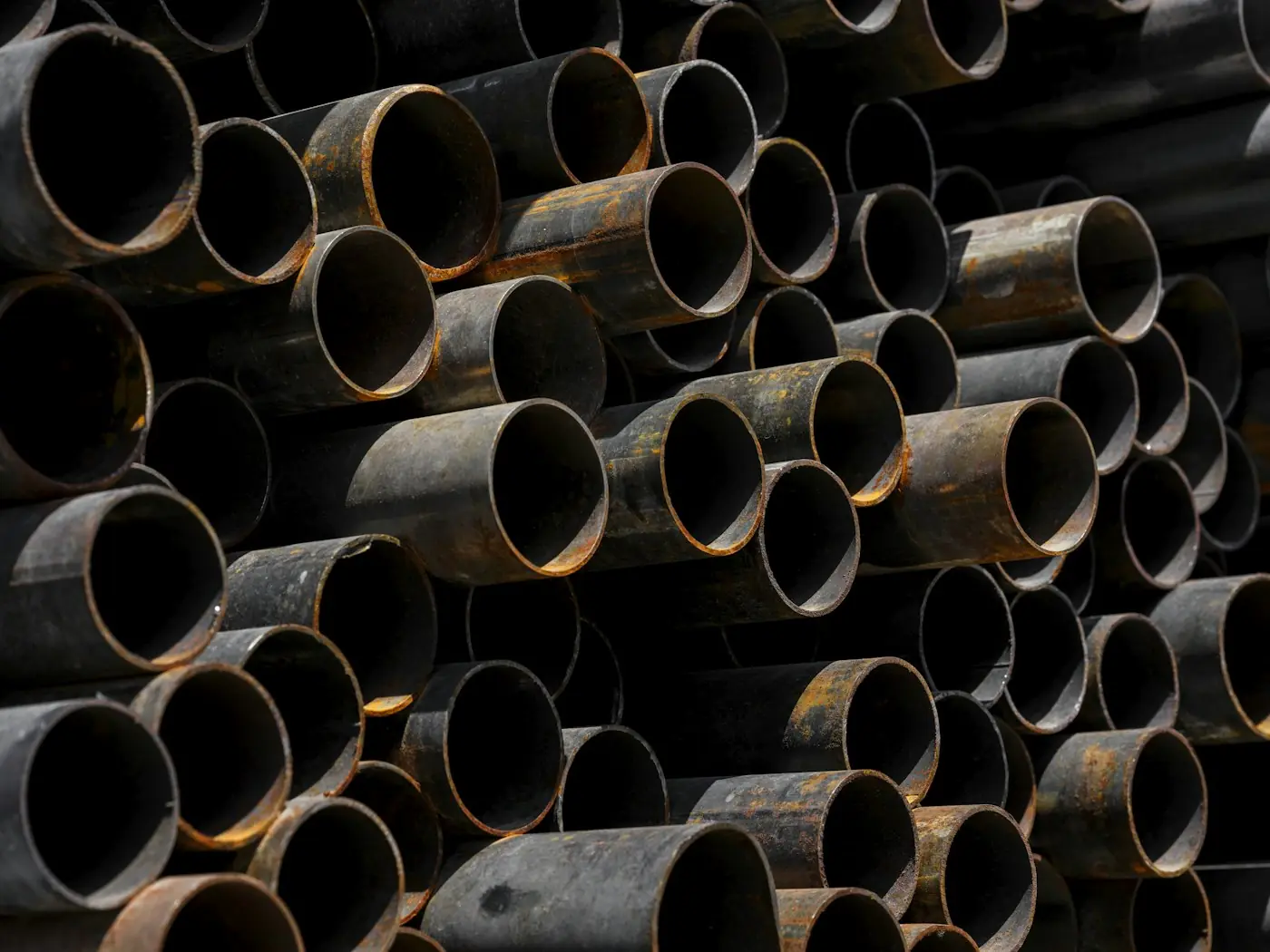
- Pipes: Worn, narrowed or pitted pipes and elbows
- Connections: Slurry escaping from clamps with damaged seals; the aggregate left behind starts the blockage
- Waiting: Concrete starting to set in the line during long breaks
Spot the signs early
- A sudden rise in pumping pressure
- Irregular, interrupted flow at the hose end
- Vibration and knocking in the pipeline
- The hopper level not going down
Prevention: habits that work on site
- Prime the line with suitable slurry at every start; see our pump start-up guide.
- Move the concrete from time to time during long waits.
- Check pipe wall thickness regularly and replace worn pipes.
- Check clamps and seals at every set-up.
- Check elbows and pipes near the pump more often; they wear fastest.
If a blockage has occurred
First stop the pump and fully release the pressure in the line. You can often locate the blockage by the sound when lightly tapping the pipe. Opening a pipe under pressure is the mistake behind the most serious accidents.
The right pipe, fewer blockages
The condition of the line directly determines the blockage risk. We explain what to look for when choosing pipes, elbows and clamps in our pipe selection guide. For products, see pipes, elbows and clamps; for the S valve and wear parts, see S valves and shafts and spectacle plates and wear parts.
Safety: Fully release the pressure before opening a blocked line; never stand in front of pipe ends.