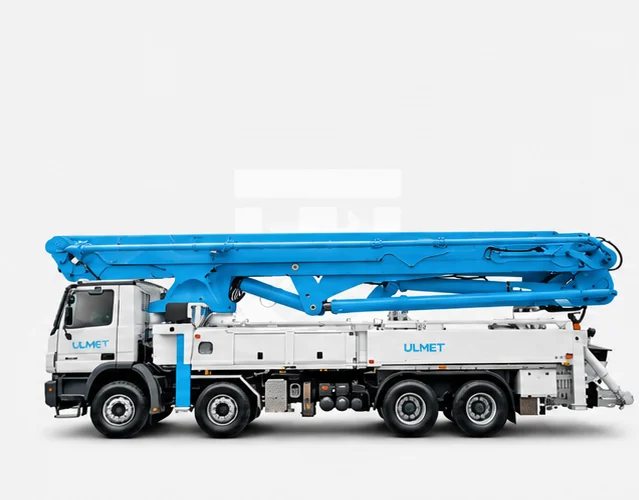
At the back of a concrete pump there is a water box that hardly anyone looks at carefully. Yet this box gives the clearest information about the health of the pistons inside the pump. If the water turns cloudy and sand or slurry collects at the bottom, the piston seals are no longer doing their job.
What do the pistons do?
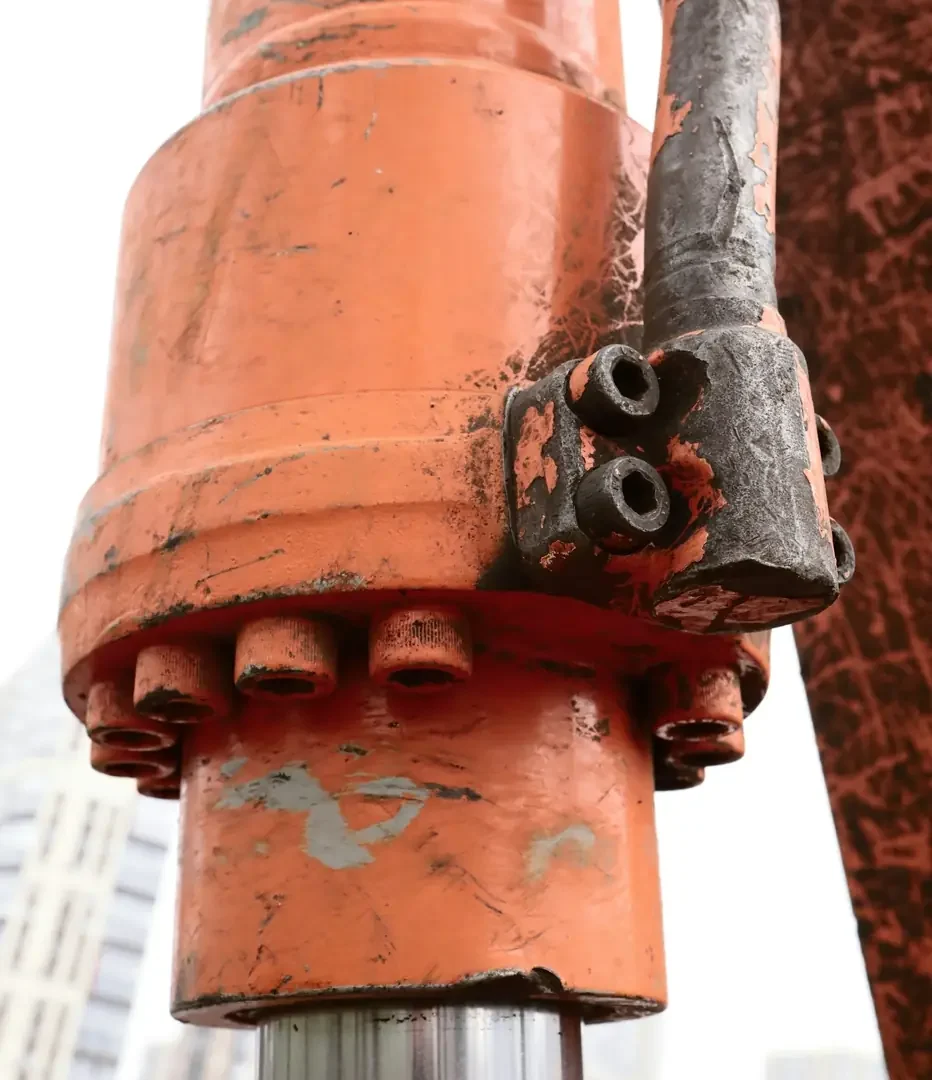
The pistons in the concrete cylinders draw concrete from the hopper and push it into the pipeline. The piston seals rub against the cylinder surface to seal. The water box both cools and lubricates this surface and makes leaks visible.
Signs of wear
- Water in the water box turning cloudy quickly
- Sand or slurry collecting at the bottom of the box
- A drop in output and pressure
- Scratches and wear on the cylinder surface
Maintenance tips
- Check the water box every day and change cloudy water.
- When replacing pistons, always check the inside of the cylinder. A scored cylinder quickly ruins a new seal.
- Follow the pump manufacturer’s instructions for removal and fitting.
- Don’t forget to drain the water box in winter; see our winter guide.
Why it must not be neglected
Concrete passing a worn seal not only reduces output; it also scores the cylinder surface. A seal set replaced on time is far cheaper than a cylinder replacement.
Related parts
See our concrete cylinders and pistons category for pistons, seals and cylinders, and drive cylinders and flanges and hydraulic cylinders for the hydraulic drive. Our pump start-up and cleaning guide helps with daily checks.
Safety: The pump must not be run during piston replacement, and the hydraulic system must be depressurised.