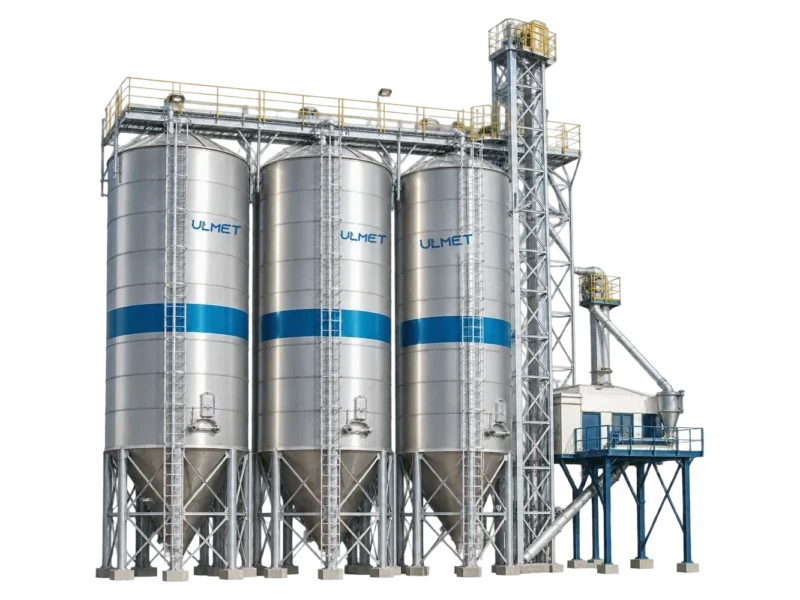
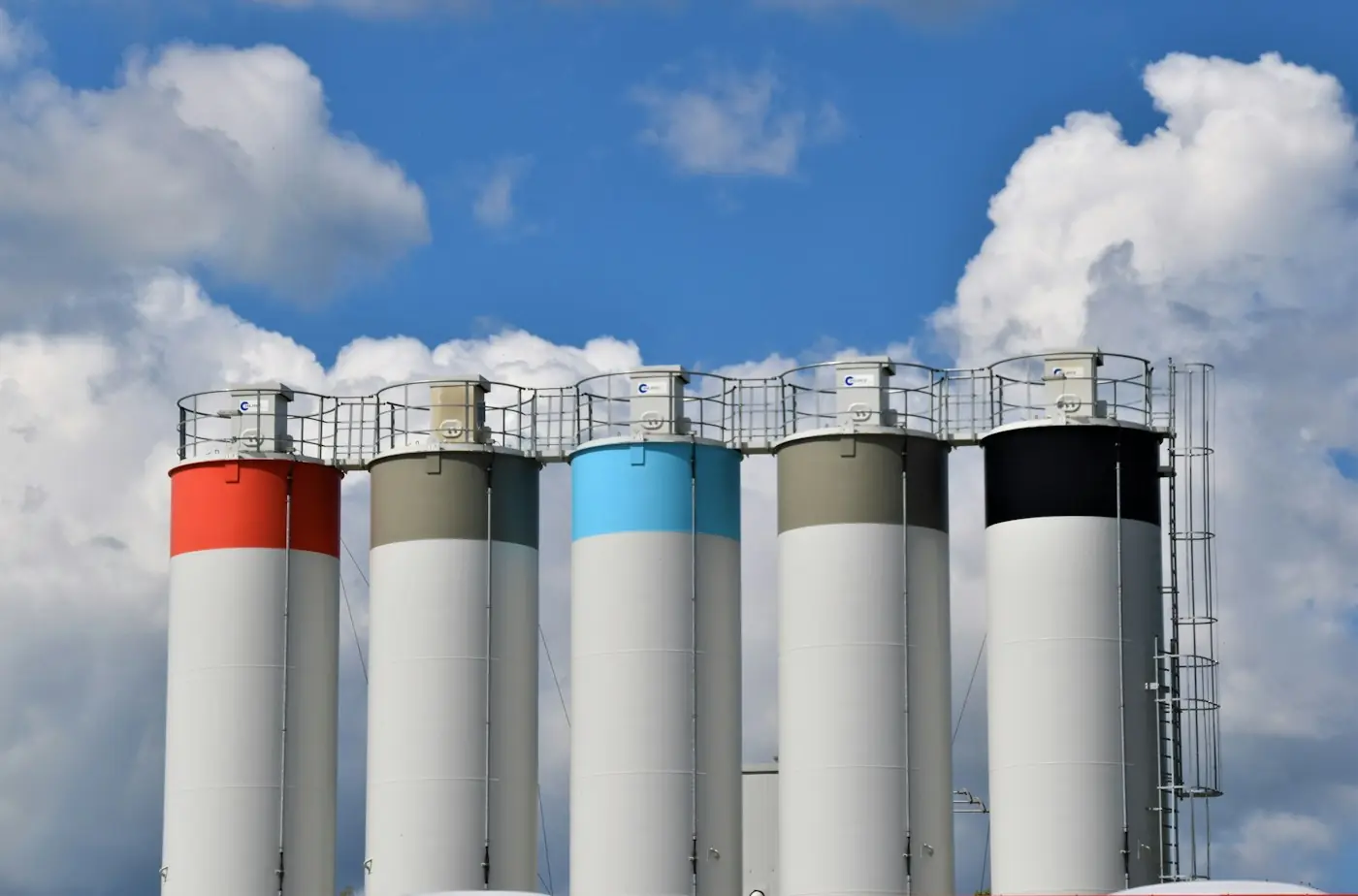
A cement tanker pulls up at the plant, the hose is connected and filling starts. Repeated every day, this job often looks routine. Yet during filling considerable air pressure builds up inside the silo, and that pressure must be released safely. This is where the filter, safety valve and level indicators come in.
What happens inside the silo during filling?
Cement from the tanker is carried into the silo with compressed air. The air leaves through the filter, which keeps the cement dust inside. If the filter is clogged, the air cannot escape, pressure rises and the safety valve opens. This causes dust leaks and puts the silo at risk.
Checklist before filling
- Level: Know how much the silo can take before filling. Overfilling is the most common filling mistake.
- Filter cleaning system: Make sure it works. See our silo filter guide.
- Safety valve: Make sure it moves freely.
- Fill pipe and coupling: Must be sound and leak-tight.
During filling
Communication between the tanker driver and the plant supervisor must stay open throughout. Stop filling immediately if you see any of the following:
- Heavy dust escaping from the filter
- The safety valve opening
- A level alarm
- Unusual noise or vibration in the fill line
The right silo, the right accessories
Safe filling starts with a properly equipped silo. The filter, safety valve, level indicators and aeration system are integral parts of the silo. We explain what they do in our silo accessories guide. If you are wondering about capacity versus volume, our silo selection guide helps.
At Ulmet we manufacture fixed, mobile and bolted cement silos. See all options under silos and storage systems and request a quote for your project.
Safety: Use fall protection when working on top of the silo; enter the silo only under a confined-space procedure.