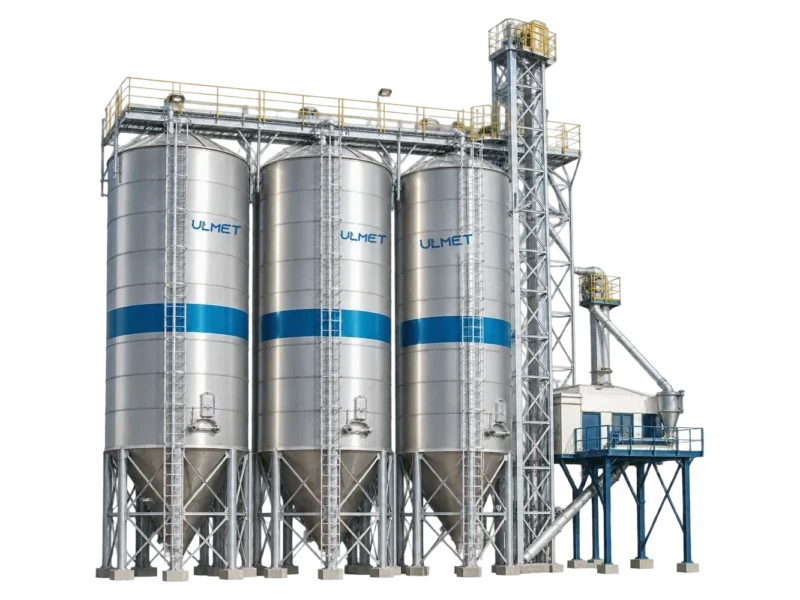
The filter on top of a cement silo is one of the least-noticed but most critical parts of a plant. All the air entering the silo during filling leaves through it. When the filter works, nobody notices; when it clogs, a cloud of dust appears over the plant.
How does the filter work?
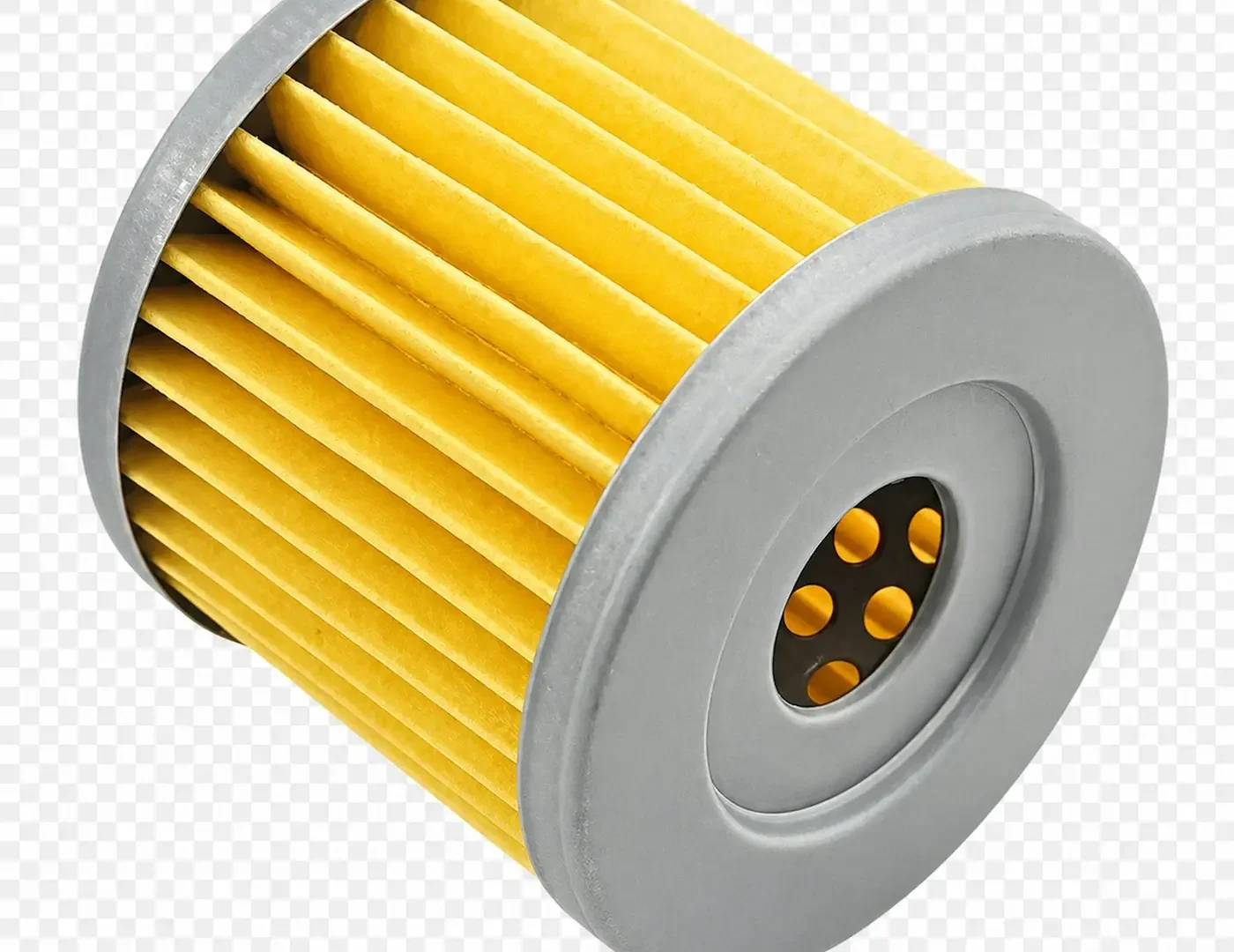
In pneumatic filling, cement is carried into the silo with compressed air. The air passes through the filter elements and leaves, while the cement dust is held on the surface of the elements. The cleaning system (usually air pulses or vibration) drops this dust back into the silo.
Signs of a clogged filter
- Heavy dust during filling
- The safety valve opening frequently
- Slower filling
- Cement build-up in the filter housing
Regular checks
- That the cleaning system works at every filling
- Tears, hardening and moisture in the filter elements
- Leaks at the filter housing seals
- Water and oil in the compressed-air line
The biggest enemy: moisture
Moist air makes the cement on the filter elements harden. Hardened cement cannot be cleaned off and the element eventually clogs completely. Regularly draining the water separator in the compressed-air line is the simplest way to extend filter life.
Replacing elements
Torn or hardened elements should be replaced with equivalent parts recommended by the manufacturer. Planning filter maintenance together with safe filling and the safety valve check reduces the number of jobs.
Silos and accessories
We explain the filter, safety valve and other accessories in our silo accessories guide. For our fixed, mobile and bolted silos and their equipment, see silos and storage systems and request a quote for your project.
Safety: Filter maintenance is done at height; use fall protection and make sure no filling takes place during maintenance.